
Physiotherapy & Sports Therapy for Elbow Pain
Elbow pain doesn’t sound dramatic. But when you can’t grip properly, lift confidently, or lean through your arm without discomfort — it becomes limiting very quickly.
We see elbow pain in:
- Gym-goers
- Racket sport players
- Golfers
- CrossFit athletes
- Tradespeople
- Desk-based professionals
- Parents lifting children
It often starts small. A niggle when gripping. A twinge with lifting. Stiffness in the morning. Then it lingers.
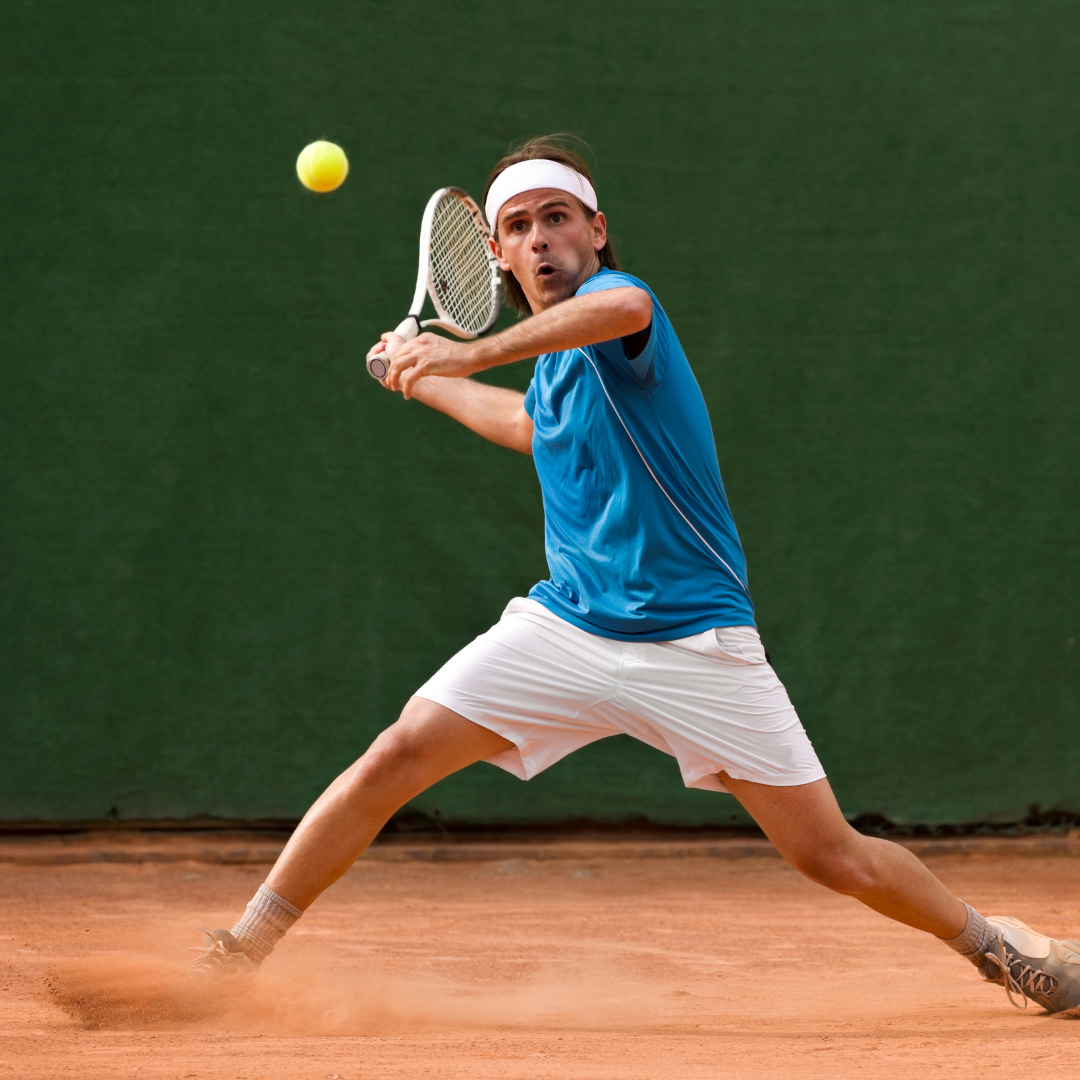
At The Physio Crew, we don’t just treat symptoms. We rebuild capacity. We identify what’s driving the pain, restore strength properly, and give you a structured plan so you can return to training, work and life with confidence. If your elbow keeps flaring or isn’t settling, book an assessment. Let’s get clarity.
What Is Elbow Pain — Without The Drama
The elbow is a hinge joint supported by tendons, ligaments and muscles that control your wrist and hand. Most elbow pain falls into one of these categories:
- Tendon irritation (tennis elbow / golfer’s elbow)
- Joint irritation
- Nerve sensitivity
- Load-related muscular overload
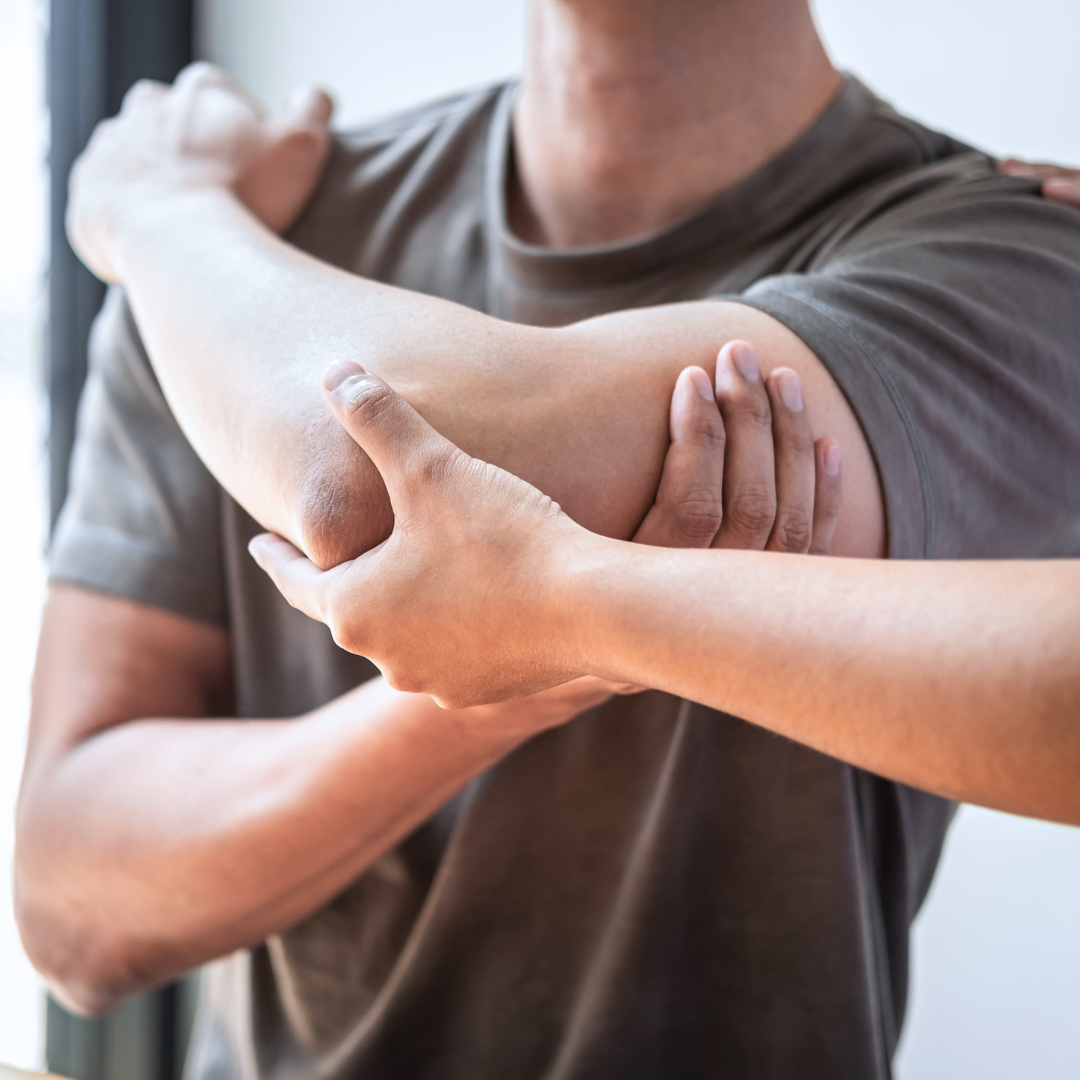
The majority of cases we see are tendon-related. When repetitive load exceeds the tendon’s current capacity, it becomes sensitive. The collagen structure may become slightly disorganised. The tissue becomes reactive.
- That does not mean the elbow is damaged beyond repair.
- It does not mean you need to stop using it.
Pain reflects sensitivity and load tolerance — not necessarily structural failure. And tissue adapts when loaded properly.
Why It Hurts (And Why It Keeps Hanging Around)
Elbow pain often persists because of one simple principle: Load > Capacity.
Common triggers:
- Increased lifting volume
- More gripping demands
- Return to tennis or golf
- Increased typing or mouse use
- DIY or manual work spikes
- Reduced strength training
Pain leads to protective behaviour:
- Avoiding grip
- Switching hands
- Stopping upper body training
- Overstretching daily
- Using supports without strengthening
Rest might reduce symptoms temporarily. But without rebuilding capacity, symptoms return when load increases again. This is where irritability vs structure matters. A tendon can be sensitive without being severely damaged. Rehab focuses on increasing what the elbow can tolerate — not eliminating movement.
The “Wait and Hope” Trap
Here’s what often happens. People are told: “Just rest it.” “Use a strap.” “Ice it.” “It’ll settle eventually.” Or they go the other way: Push through pain, Lift heavy regardless, Stretch aggressively every day. Neither restores capacity.
What works instead:
- Clear diagnosis
- Understanding irritability
- Measured loading
- Progressive strengthening
- Regular reassessment
If it doesn’t challenge you, it doesn’t change you. But challenge must be appropriate. Elbows respond to structured load. Not chaos.
The Technology of Recovery
VALD Force AnalyticsGrip & Load Metrics →
Shockwave Therapy (ESWT)Chronic Pain Recovery →
How We Treat Elbow Pain at The Physio Crew
1. Thorough Assessment
We assess exact pain location, grip strength, wrist strength, shoulder strength, scapular control, and cervical involvement. We differentiate between tennis elbow, golfer’s elbow, nerve sensitivity, and joint irritation. Clarity comes first.
2. Diagnostic Ultrasound (When Appropriate)
Where clinically indicated, we use diagnostic ultrasound to assess tissue integrity. This allows us to visualise tendon structure, assess thickness and changes, rule out significant tears, and guide loading decisions. Ultrasound provides reassurance and direction — not alarm.
3. Strength & Capacity Testing
We quantify load tolerance. Grip dynamometry. Isometric wrist loading. Functional upper limb strength testing. You can’t rebuild what you don’t measure.
4. Load Management Strategy
We don’t default to complete rest. Instead, we adjust training load, volume, exercise selection, grip intensity, and work demands. The goal is staying active while rebuilding tolerance.
5. Progressive Strength Plan
Phase 1 – Isometric loading to calm irritability. Phase 2 – Heavy slow resistance to rebuild tendon strength. Phase 3 – Functional grip loading. Phase 4 – Sport or work-specific progression. Strength reduces sensitivity. Capacity reduces recurrence.
6. Return-to-Life Structure
Whether your goal is deadlifting again, playing tennis, or lifting children, we map progression step by step. Confidence returns when the elbow proves it can tolerate load.
What Recovery Actually Looks Like
Mild elbow pain may settle within 6–8 weeks with structured loading. More persistent cases can take 3–4 months. Progress is not linear. You may improve steadily, increase load, and experience a flare. That’s not failure. It’s feedback. We adjust. We progress. We rebuild again. Strength changes symptoms. Capacity builds resilience. You don’t need perfection. You need progression.
Elbow Pain FAQs
You Don’t Need To Stay Stuck
Elbow pain is not a life sentence. It’s a capacity issue. You don’t need endless rest. You don’t need fear-based advice. You don’t need to stop training completely. You need: Clear diagnosis, Measured loading, Progressive strengthening, Structured reassessment.
Clarity builds confidence. Strength changes symptoms. If you’re in Bristol, Clevedon or Barnstaple and your elbow pain isn’t settling, book an assessment. Let’s rebuild it properly.