
Physiotherapy for Tennis Elbow (Lateral Epicondylitis)
Tennis elbow isn’t just for athletes. It is a painful condition caused by overuse of the muscles in your forearm that attach to the outside of your elbow. Whether it’s a niggle or severe pain when gripping, it becomes limiting very quickly.
Commonly seen in:
- Racket sport players
- Carpenters & Tradespeople
- Frequent mouse/keyboard users
- Painters & Decorators
- Gardening enthusiasts
- Gym-goers performing repetitive lifting
It often starts small. A dull ache when lifting a kettle or a sharp twinge when shaking hands. If ignored, the tendon becomes increasingly sensitive.

At The Physio Crew, we don’t just treat symptoms. We rebuild capacity. We identify what’s driving the pain, restore strength properly, and give you a structured plan so you can return to training, work and life with confidence. If your elbow pain isn’t settling, book an assessment. Let’s get clarity.
What Is Tennis Elbow — Without The Drama
The pain is usually focused on the lateral epicondyle—the bony bump on the outside of your elbow. Most cases fall into these categories:
- Tendon irritation: Sensitivity in the extensor tendons.
- Joint irritation: Stiffness within the radio-humeral joint.
- Nerve sensitivity: Referred pain from the radial nerve or neck.
- Load-related muscular overload: Overworked forearm muscles.
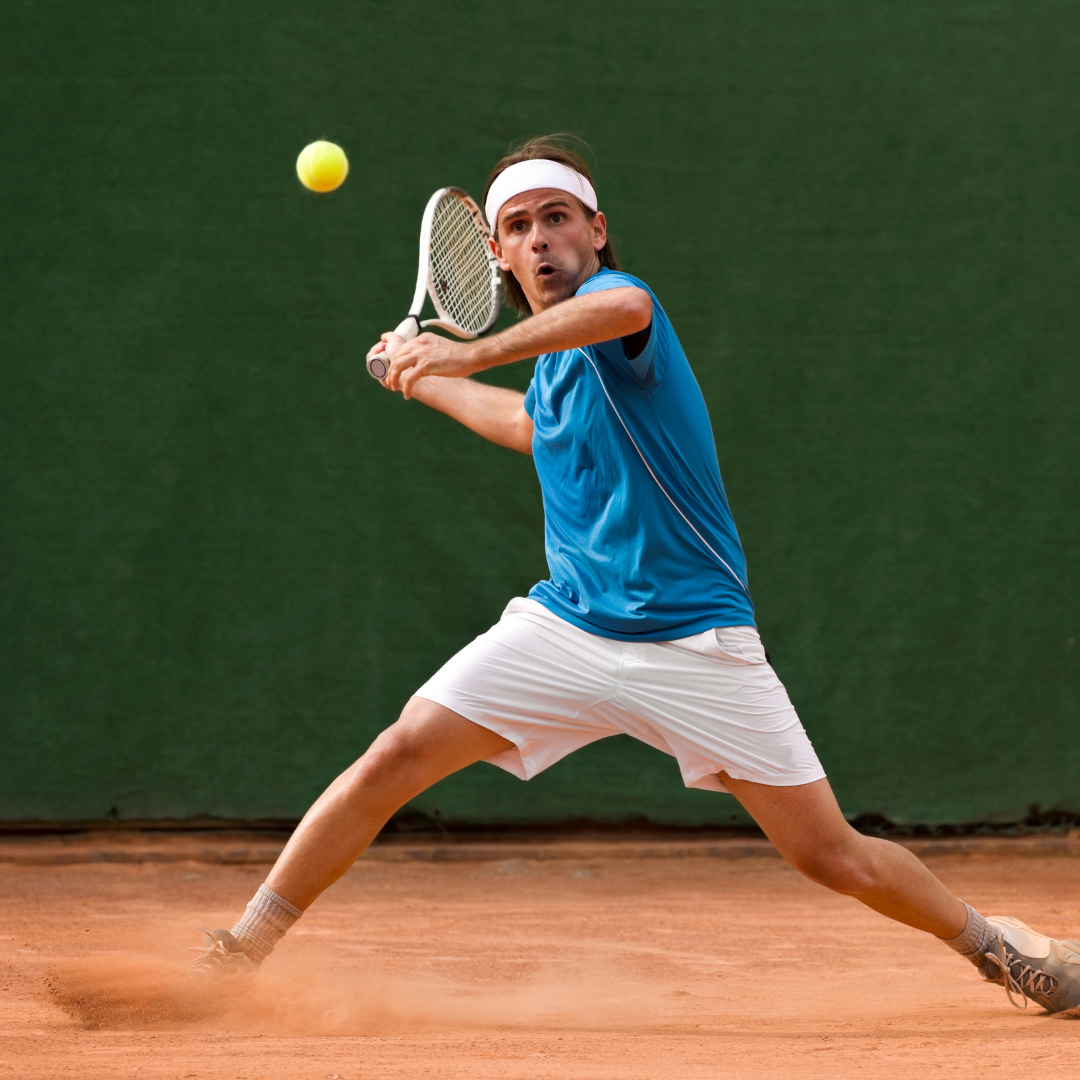
The majority of cases we see are tendon-related. When repetitive load exceeds the tendon’s current capacity, it becomes reactive. Rest might help for a week, but the pain often returns because the tendon hasn’t been “taught” how to handle load again.
- Pain reflects sensitivity—not necessarily structural failure.
- The tendon is not “inflamed” in the traditional sense; it is overloaded.
Tissue adapts when loaded properly. Progressive strengthening is the “gold standard” for recovery.
Why It Hurts (Load > Capacity)
Elbow pain persists because the load you put on the arm is higher than what the tissue can currently tolerate.
Common triggers for flare-ups:
- Sudden spike in DIY or gardening
- Increased lifting volume at the gym
- Poor workstation ergonomics
- Gripping tools for extended periods
- Returning to racket sports after a break
Advanced Recovery Technology
VALD Force AnalyticsMeasure Grip Capacity →
Shockwave Therapy (ESWT)Proven for Chronic Tendon Pain →
Our 6-Step Treatment Process
1. Thorough Assessment
We check exact pain location, grip strength, and screen the neck/shoulder to ensure the elbow is the primary driver of pain. Clarity comes first.
2. Diagnostic Ultrasound
Visualising the tendon allows us to assess thickness and rule out significant tears, guiding our loading decisions. Ultrasound provides reassurance and direction.
3. Strength & Capacity Testing
We use dynamometry to get a baseline of what your elbow can handle. You can’t rebuild what you don’t measure.
4. Load Management
We don’t just say “stop.” We show you how to adjust your training or work to stay active without flaring the pain.
5. Progressive Strength Plan
From isometric holds to heavy slow resistance, we rebuild the tendon’s ability to store and release energy. Strength reduces sensitivity.
6. Return-to-Life Structure
We map your progression back to your specific goal—whether that’s deadlifting, tennis, or gardening. Confidence returns with load.